

The Ultimate Guide to Buying Fresh Fish: 8 Expert Tips from Your Local Fishmonger
Buying fresh fish can feel a little daunting if you’re not sure what to look for. But the good news is that choosing quality seafood doesn’t require years of experience - just a few simple signs.
At Something Fishy, we’re often asked how to tell whether fish is truly fresh. Here’s our guide to shopping with confidence, whether you’re visiting us or any reputable fishmonger.
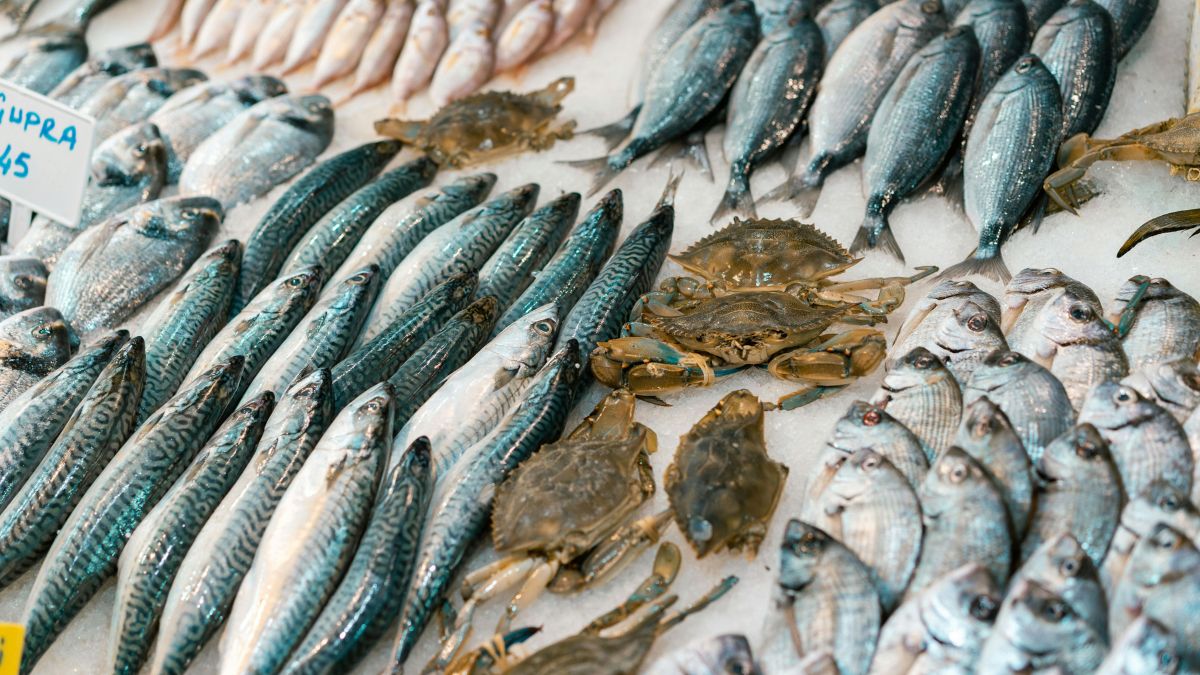
1. Fresh Fish Should Smell Like the Sea
One of the biggest myths is that fish should smell “fishy”.
In reality, fresh fish has a clean, mild scent that reminds you of the sea. It shouldn’t have a strong, sour or ammonia-like smell.
If the smell is overpowering, it’s probably past its best.

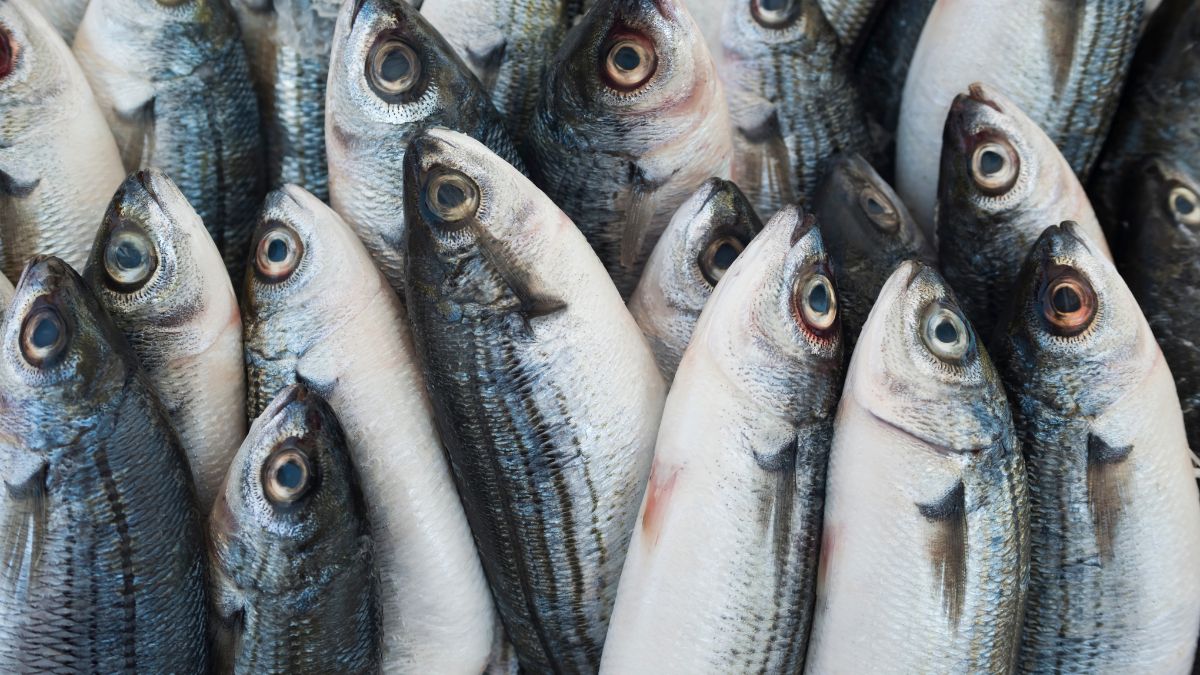
2. Look for Clear, Bright Eyes
If you’re buying whole fish, the eyes should tell you a lot. Fresh fish should have:
- Clear, bright eyes
- A slightly rounded appearance
- No cloudiness or sunken look
Cloudy or dull eyes usually indicates the fish has been sitting around for longer.
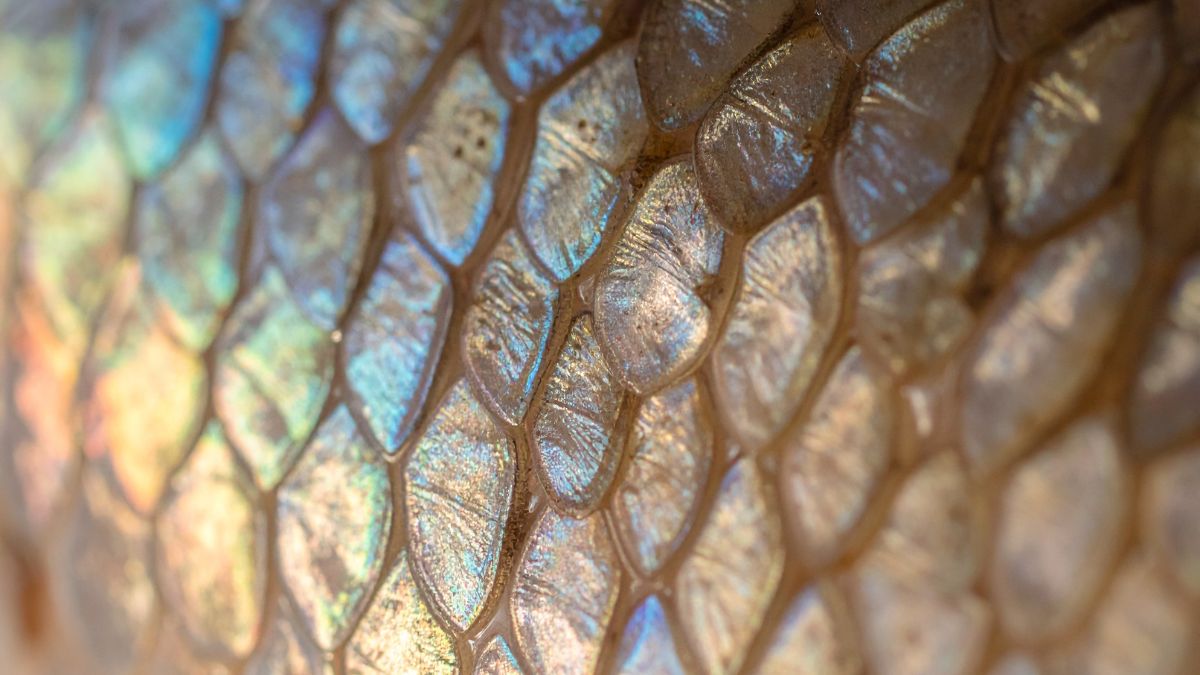
3. The Skin Should Look Vibrant
Fresh fish should look alive with colour.
- Shiny skin
- Natural metallic sheen
- Bright, healthy colouring
- Scales that are firmly attached
Dull or dry-looking skin can be a sign that freshness is declining.
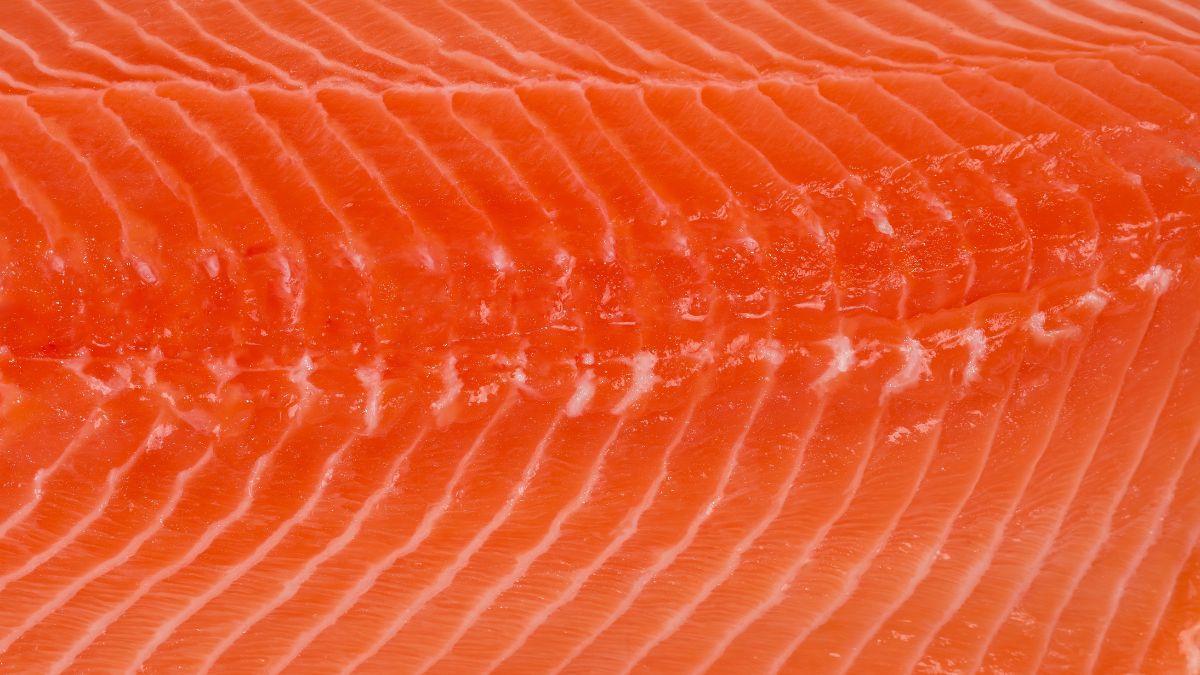
4. Firm Flesh is a Great Sign
Whether you’re buying fillets or whole fish, gently press the flesh.
Fresh fish:
- Feel firm
- Spring back quickly
- Hold its shape
If it leaves an indentation or feels soft and mushy, it’s no longer at its peak.
5. Check the Gills (If You Can)
This is one many people don't know.
The gills are one of the best indicators of freshness.
They should be:
- Bright red or deep pink-
- Moist
- Clean looking
Brown or grey gills suggest the fish is older.
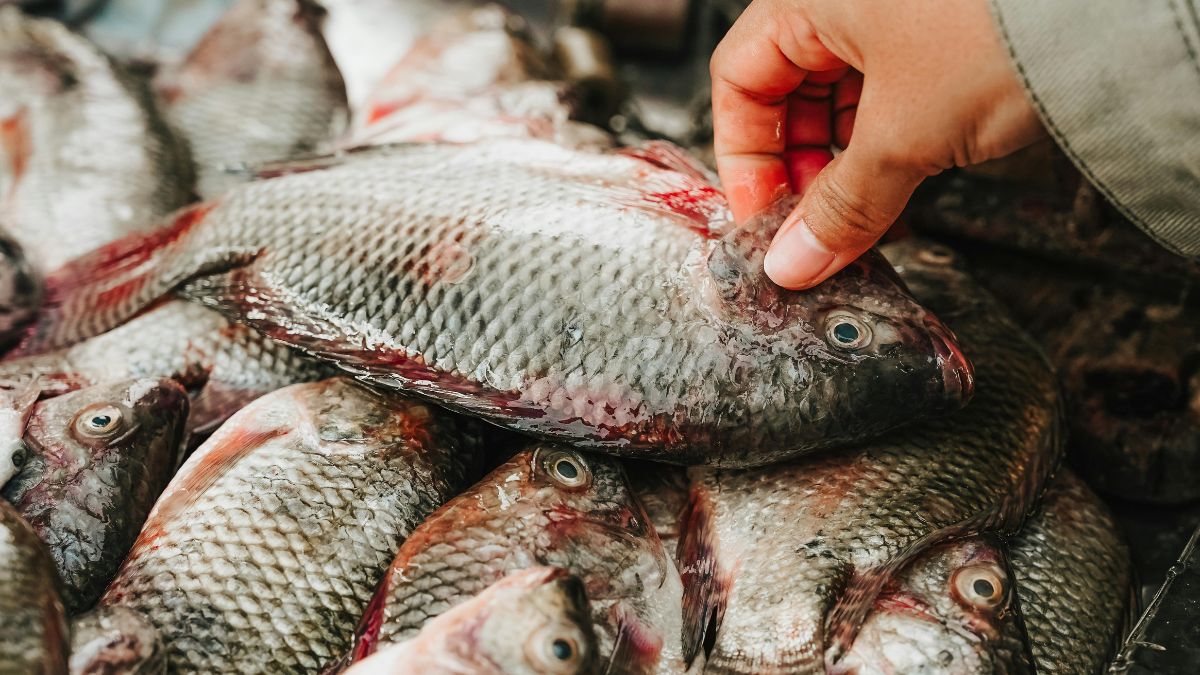
6. Don't Judge by Ice Alone
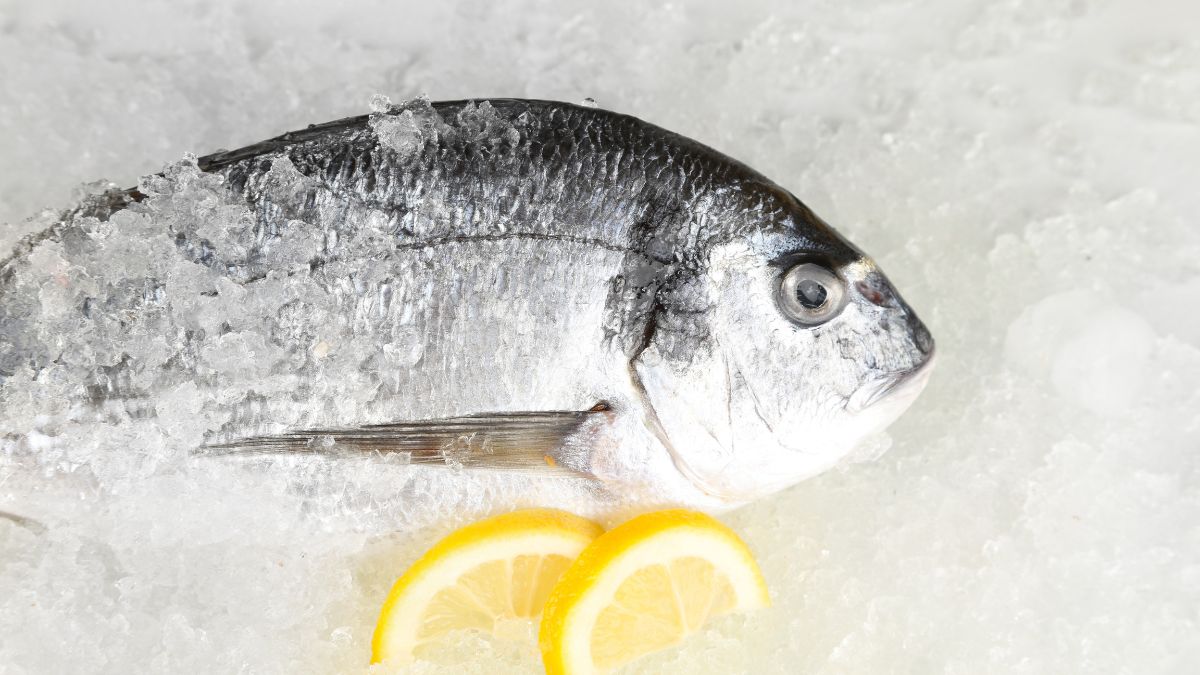
Many people assume that if fish is displayed on lots of ice, it's automatically fresh.
Ice is important because it keeps fish at the correct temperature, but it's not a guarantee of quality. The real signs are the smell, appearance and texture.
A good fishmonger uses ice to preserve freshness - not to disguise poor-quality fish.
7. Ask Questions - That's What We're Here For!
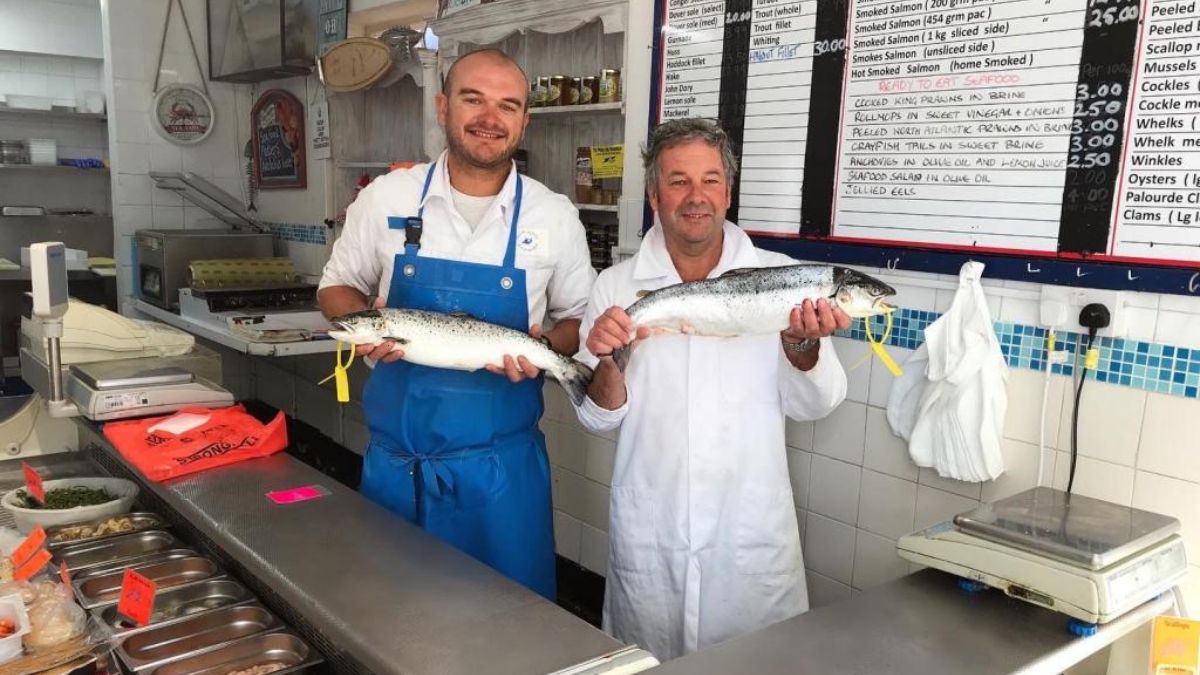
One of the biggest advantages of shopping with an independent fishmonger is being able to ask questions.
Don't be afraid to ask:
- What's freshest today?
- What's in season?
- What's easiest to cook?
- Which fish is best for grilling, roasting or pan-frying?
A good fishmonger will happily guide you towards the best choice for your meal and budget.
8. Try and Buy What's in Season, Where Possible
Just like fruit and vegetables, seafood has seasons too.
Choosing seasonal fish often means:
- Better flavour
- Excellent quality
- Great value
- Supporting more sustainable fishing
Not sure what's in season? Just ask - we're always happy to recommend what's looking its very best. You can also check our seasonal guide here.

Why Buy From a Fishmonger?
Supermarkets are convenient, but a local fishmonger offers something you can’t get from a pre-packed shelf:
- Expert advice tailored to what you’re cooking
- Fresh fish prepared exactly how you like it
- Seasonal recommendations
- A wider variety of seafood
- Knowledge about where your fish has come from
Whether you’re trying seafood for the first time or cooking fish every week, we’re here to help you choose with confidence.
Visit Something Fishy
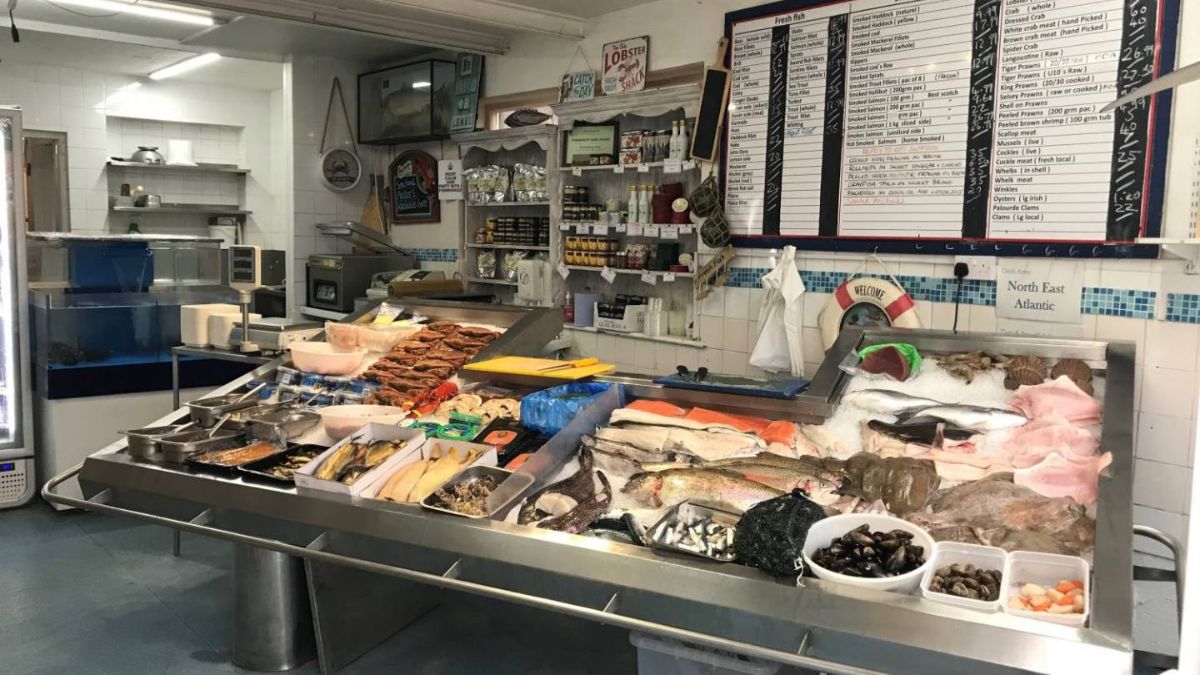
If you're ever unsure what to buy, pop into Something Fishy and have a chat with the team. We'll help you choose the right fish, prepare it if needed, and share simple cooking tips to make sure you get the very best from your seafood.
Fresh fish doesn't have to be intimidating - it just takes knowing what to look for, and having a fishmonger you can trust.